Access to water 2
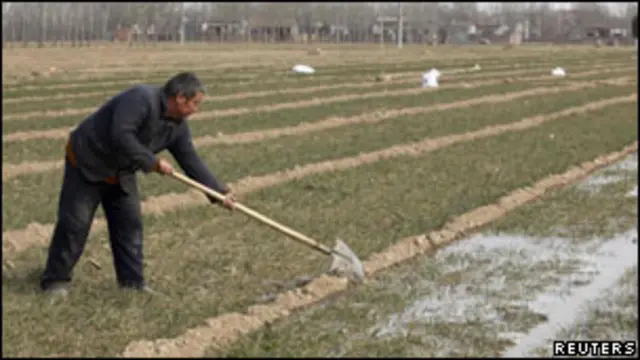
Sumber gambar, BBC World Service
This is World Xtra from the BBC. In this series we look at various ideas that you may hear about in the news and current affairs programmes.
John talks to an expert in every programme, who can tell us all about the topic. Today’s topic is water.
John: Hello. Today, we’re talking about water and what we can do to save it. And we’re going to meet Richard Black, the BBC’s Environment Correspondent. How do we use water economically and save it for the future?
World Extra from the BBC
John: The world’s water resources, or supplies, are not evenly distributed. Some parts of the world have more water than others.
John: Richard Black talks about some of the ways in which governments and individuals can ensure a regular supply of water.
John: He speaks of collection and distribution of water – moving water around to people who need it most. He says some governments are keen to develop good habits and good technologies to maintain a good water supply and to stop it draining away.
John: What can be done to save water resources? What can we do as individuals?
Richard: I think there are two main ways in which we can work to secure availability of water. One is to be economical in the way that we use water, make sure we don’t waste it. And the second is to make sure we have adequate facilities for collecting and distributing water.




Richard: Now, how much of this can be done at the personal level is a different matter. I think mainly it’s a question of what is done at the level of governments and regional authorities.
Richard: For example some countries are rather effective at collecting rainwater. Well, perhaps that practice, those good habits, those good technologies could be spread a little further afield so that rainwater that falls is being collected and used and not simply draining away.
John: So let’s look to the future. Richard makes a few predictions. He’s going to look ahead to the future. In areas where there is a risk that a glacier might melt governments must act quickly to contain the water that may be produced. He says they must build large scale networks to store and distribute the water. He says wealthy countries will probably be able to do this if they plan well.
Richard: I think there are some areas where people are going to find it more and more difficult to live in the future.
Richard: Societies which are wealthy enough on the other hand, some of those societies should be able to adapt, provided they plan well enough and provided they commit enough resources to basically building all the water storage and supply networks which currently nature largely does for them. But there’s not an awful lot of time.
World Xtra from the BBC
Let’s look again at some of the words and phrases that John and Richard used in that report.
First we heard about using water economically. Usually the word economically relates to money – being careful with money, not spending too much of it.
But the word can also be used when talking about water – we are advised not to waste water – ie let it run away unnecessarily. That is obviously something that individual people can and should do.
However, Richard pointed out that much of the work to save water needs to be done on a larger scale, by governments and so on.
He talked about collection and distribution.
Collecting of course means stopping rainwater from draining away into the earth, and distribution means making sure that water is moved from places with plenty of water to places with little water.
This can be done using storage and supply networks – ways of keeping and moving water.
Richard used the phrase good habits to describe what is done to collect rainwater in some countries.
A good habit is something that you should do, so in this case he means that other countries should try to do the same as the ones who are already collecting rainwater.
Today’s edition of World Xtra looked at the global water problem.


