
Black History Month: Harry and Meghan call to end 'structural racism'
- Published

The Duke and Duchess feel young people of colour should see themselves represented in all parts of society
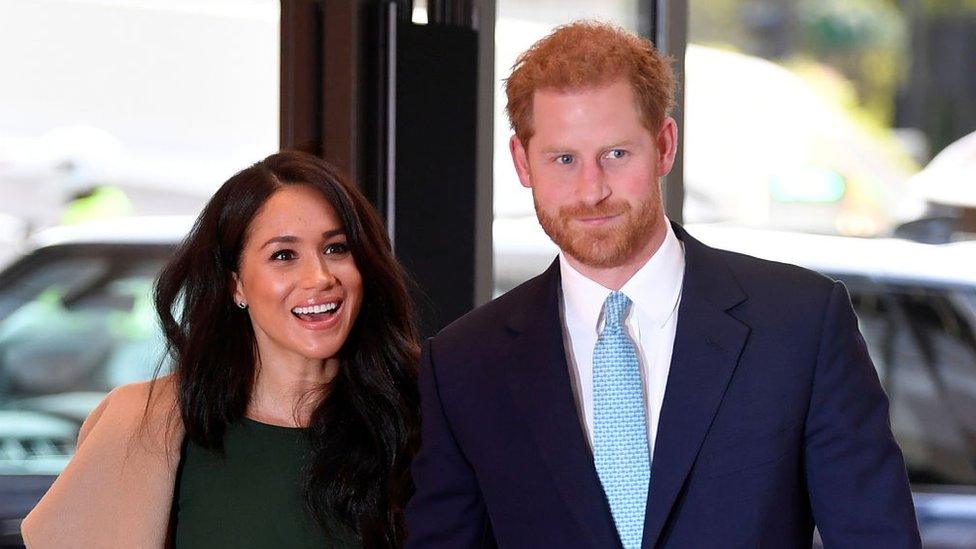
The Duke and Duchess of Sussex have called for 'structural racism' to be brought an end.
Prince Harry and Meghan, who stepped back as senior royals earlier this year, shared their thoughts during an interview with the newspaper the Evening Standard to mark the beginning of Black History Month.
They also revealed their list of BHM NextGen Trailblazers, which celebrates black Britons who have made important contributions to society.
Well known black figures including Vogue editor Edward Enninful, Olympic boxing champion Nicola Adams and Ashley Banjo nominated fellow black Brits who had inspired them.
Prince Harry and Meghan said that although some positive changes had come about since Black History Month was first celebrated back in the 1980s, "sufficient progress had not been achieved".
"For as long as structural racism exists, there will be generations of young people of colour who do not start their lives with the same equality of opportunity as their white peers. And for as long as that continues, untapped potential will never get to be realised," they said.
They also spoke about the role Black History Month plays in educating members of the British public and providing an opportunity for young black British people to feel seen.
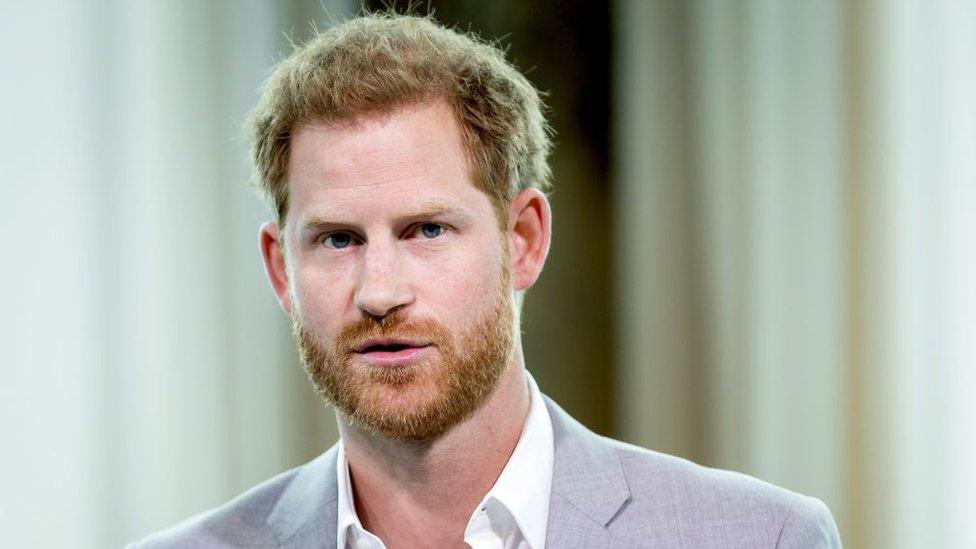
Prince Harry has previously spoken about what needs to be done to move forward as a society
"If you are white and British, the world you see often looks just like you — on TV, in media, in the role models celebrated across our nation. That is not a criticism; it's reality.
"Many recognise this, but others are not aware of the effect this has on our own perspective, our own bias, but also the effect it has on young people of colour.
"For people of colour and specifically for young black Britons, the importance of representation in all parts of society, of seeing role models that share the same colour skin as them, and seeing and reading stories of success and of hope from those who look like them, is absolutely vital in opening doors of opportunity."
What is structural racism?
What an we do to make a difference? A politician, historian and academic answer kids' questions
Structural, or systemic racism, is where particular groups or communities are unable to progress in the same way as others because of the way society has been built.
It means certain systems which benefit others don't impact these groups in the same way, and they can even end up working against them.
"It's about how society is really structured to keep people of colour from positions of power, to make it more difficult for communities of colour to own properties, to own homes, to advance in society," said Dr Christienna Fryar who is a lecturer in Black British History at Goldsmiths University.
- Published10 August 2020
- Published10 January 2020
- Published7 July 2020


