Climate Change: How to persuade pesin wey tink say climate change no dey real
Wia dis foto come from, Getty Images
- Author, Merlyn Thomas & Marco Silva
- Role, BBC Climate Disinformation reporters
- Published
Wetin you fit do wen di pipo wey close to you pass believe say climate change na joke?
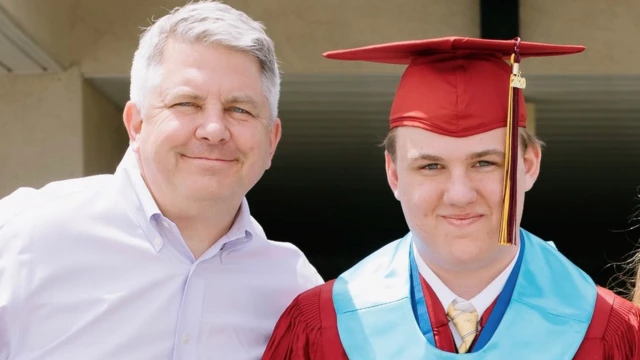
Na during school pick-up few years ago Lance Lawson bin first ask im papa about im views on global warming.
"E tell me say 'na nonsense'," Lance recall.
Im papa tok say na yeye politicians dey use am for electoral gain.
E tell Lance say Climate change dey exaggerated.
Wia dis foto come from, Lance Lawson
Lance now be 21 years old and e dey live wit im papa, Brian Anderson, for di US state of Florida. E be teenager wen e ask im papa dat question.
"My father na very smart man," e tok. "So I assume say wetin my papa tok na true."
But, as time go on, Lance begin realise say im papa views no dey backed by scientific evidence - and e decide to challenge am.



End of Di one wey oda users dey read well well
"Whenever he drive me go school, I go give am my own argument, and e no go reason di evidence.
"Dat go force me to find new evidence and dat cycle help me expand my own understanding."
'Vessels for communication'
If someone wey close to you believe say climate change na joke, e fit dey hard for you to do wetin Lance do.
Maybe you dey fear confrontation, maybe you you just no sabi how to explain di basic science of global warming.
But Gail Whiteman, professor of sustainability for di University of Exeter, say e dey important to tok: "If we no tackle climate denial and climate indifference, den di hard battle to find a safer future dey lost.
"We need to tackle our teachers, our neighbours... All of us must become vessels for communication."
But how exactly you wan even begin di conversation?
Reciting di facts no be di answer
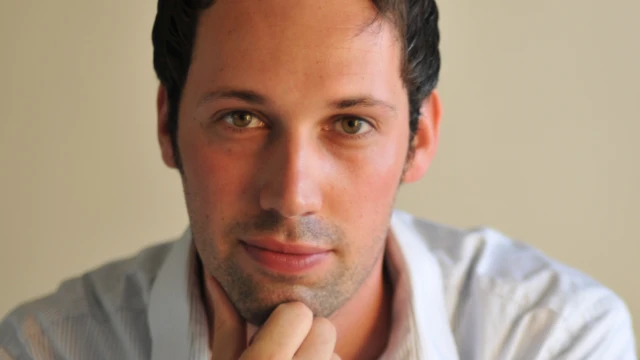
Sander van der Linden na professor of social psychology for di University of Cambridge, and dey study how pipo dey believe conspiracy theories.
Wia dis foto come from, Daniella Da Silva
E say years of research don show am say to confront pipo wit hard evidence no be di way to go.
While e fit dey tempting to try to fight conspiracy theories wit facts, very high chance dey say e go backfire".
"To dey tell pipo say dem no sabi wetin dem dey tok about or dem dey wrong, go just create more defensive responses."
Lance say common misunderstanding wey say pipo wey no believe say climate change dey real dey "stupid or uneducated".
"But lot of pipo dey out there wey just naturally dey sceptical as part of dia personality," e tok.
Im father, Brian, na one of dem - e grow up for rural Minnesota for di 1970s. "E dey very cold," Brian tok and dis one make am dey hard for am to believe scientists wey tok about "warming planet".
Wia dis foto come from, Getty Images
Trust dia worldview
Lance say im papa na very religious man - so e ask am to reason say climate change fit dey real, and question whether e no go get moral responsibility to take care of wetin God provide?
"Lance speak wit language wey I fit appreciate and understand," Brian tok. "You gatz approach pipo in terms of wia dem dey."
Prof Van Der Linden believe say changing di minds of climate deniers dey impossible if you neva to some extent support dia worldview. e
E say e dey important to "[expose] techniques of manipulation" by asking questions like: "You done consider say some of dis theories fit dey created to take advantage of pipo"?
'Dey humble'
No-one like make dem dey tok to am anyhow, and di same go for pesin wey dey engage wit anoda pesin wey no believe in climate change.
"You no fit convince someone wey feel say power differential dey," Prof van der Linden tok.
"Di whole point of conspiracy na di idea say some of dis powerful elites dey conspire against us."
Lance close bond wit im papa na something e believe say na key to persuade am, but e also says e dey important to check your tone: "Ask yourself, I dey sound proud? Remain humble. Be gentle."
E worth am?
Prof van der Linden believe say to reason say you fit win someone over wit one single, one-off conversation no dey realistic: "You gatz dey content wit small wins, and compromise."
And yet, some experts question whether talking to climate change deniers really worth am.
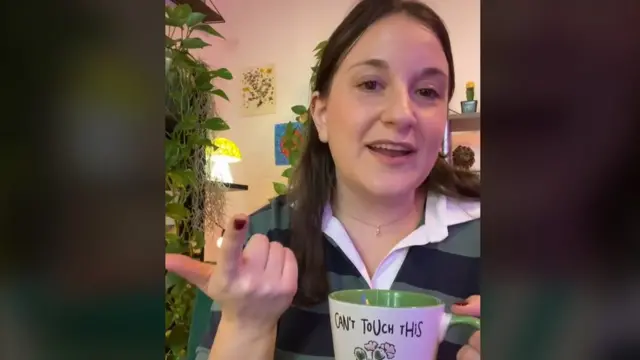
Abbie Richards researches di spread of misinformation on social media.
Wia dis foto come from, TikTok/Tofology
"E beta make we use our energy push for actual change, instead of trying to combat solidified disinformation wey dem don dey push...for years," she tok.
On TikTok, she debunk disinformation about climate change, but say she don give up to dey try follow hardcore conspiracy theorists tok: "I no wan waste my energy on debunking more of dia disinformation."
But Prof van der Linden point out say "some of these dismissive individuals dey very loud and dem get disproportionate influence on public debate".
"E dey quite risky to do nothing, especially when [dey] dia voices loud pass your own."
'Breath-taking moment'
Wit time and patience, Lance don manage to convince im father say climate change dey real - e even dey shocked by im achievement.
"One time, my papa come downstairs for di middle of di night, afta e watch one documentary about deforestation, e say: 'Lance you no go believe wetin dey happun wit di rainforest'!
"Na breath-taking moment for me to see am so engaged about something wey e no even get interest for before."