Renewable energy
What is renewable energy?
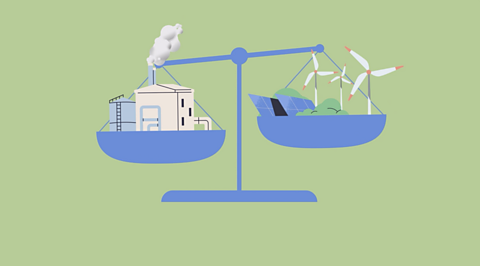
Renewable energy means using power from naturally replenished sources such as sunlight, wind, water, and heat from the Earth. Unlike fossil fuels, which are finite and contribute to climate change, renewable energy sources generally produce lower greenhouse gas emissions. The use of renewable energy is one approach that governments, organisations and researchers consider when addressing future energy needs and reducing greenhouse gas emissions.
Why are alternative energy sources being developed?
Different countries experienced industrialisation at different times, with the UK being one of the earliest adopters. By 1900, south Wales was one of the world’s most important coal-exporting regions. The growing industries, railways and expanding towns of the Industrial Revolution created a significant increase in demand for energy. This was largely met through the use of fossil fuels such as coal, oil and gas.
Fossil fuels release carbon dioxide when they are used and are finite energy resources, meaning they exist in limited quantities. Throughout the 20th and 21st centuries, population growth, technological developments and rising living standards continued to increase demand for energy, including energy needed to power:
- factories
- vehicles and transport
- homes, businesses and public services
- electric appliances and devices
As a result, energy consumption has increased, leading to continued use of fossil fuel resources.
Renewable energy is one alternative to fossil fuels and renewable energy technologies generally produce lower greenhouse gas emissions during operation than fossil fuel-based energy systems.
Activity: Examples of sustainable energy sources
Other examples of sustainable energy sources
Biomass converts organic materials into energy, reducing landfill waste.
Hydrogen fuel cells generates electricity from hydrogen and oxygen without emitting greenhouse gases.
Geothermal energy is heat that comes from deep inside the Earth. We can use this heat to make electricity or to warm buildings.
Renewable energy sources, such as sunlight, wind and water, are naturally replenished over time and are often contrasted with fossil fuels, which exist in finite quantities. Renewable energy technologies generally produce lower greenhouse gas emissions during operation than fossil fuel-based energy systems. The renewable energy sector also supports employment across a range of industries, including engineering, construction, manufacturing and maintenance.
However, renewable energy sources can also present challenges. The amount of energy generated may vary depending on factors such as weather conditions, seasonal changes and location. In addition, developing renewable energy infrastructure can require significant initial investment and, in some cases, large areas of land or sea.
Understanding both the advantages and limitations of different renewable energy sources can help people evaluate their suitability for different uses and consider how they may contribute to meeting future energy needs.
Solar energy
| Advantages | Disadvantages |
|---|---|
| Solar power is a renewable energy source and doesn’t directly produce greenhouse gas emissions during electricity generation. | Energy production can vary according to weather conditions, particularly in places where levels of sunlight can differ significantly between seasons. |
Wind power
| Advantages | Disadvantages |
|---|---|
| Can be built on land or offshore and may bring economic benefits to local areas through investments and jobs. | There is ongoing debate regarding their visual impact on landscapes and seascapes. Energy generation can vary depending on wind conditions. |
Hydroelectric power
| Advantages | Disadvantages |
|---|---|
| Hydroelectirc power uses flowing water to generate electricity. It can provide a consistent source of electricity depending on water availability, and some systems can be used to store energy for later use. | The construction of dams, reservoirs and barrages can have significant impacts on local environments. Flooding land to create reservoirs may result in the loss of habitats, agricultural land or existing land uses. Changes to water levels could also affect wildlife. |
Biomass
| Advantages | Disadvantages |
|---|---|
| Biomass uses organic materials, such as wood, and some waste products, as a source of energy. It can use materials that might otherwise be discarded and can reduce the amount of waste sent to landfill. | Biomass releases low levels of greenhouse gases such as methane during energy production. It may compete with wildlife for land or food production. |
Hydrogen fuel cells
| Advantages | Disadvantages |
|---|---|
| Hydrogen fuel cells use fuel more efficiently than some traditional engines, allowing more fuel to be obtained from a given amount of fuel. At the point of use, hydrogen fuel cells produce water and heat rather than carbon dioxide emissions. | Some methos of hydrogen production may rely on fossil fuels. Hydrogen fuel cell technology can also be expensive to develop. Maintaining and storing the cells safely can be problematic. |
Geothermal energy
| Advantages | Disadvantages |
|---|---|
| Geothermal energy uses heat from within the Earth, which is continually produced and can provide a reliable source of energy in suitable location. | Geothermal power plants need access to hot rocks or underground water near the Earth's surface, and these conditions are not found in every location. |
Activity: Examples of renewable energy in Wales
Wales uses a variety of renewable energy sources. These include wind power from offshore and onshore wind farms, hydroelectric power from rivers and reservoirs, and solar power from panels on rooftops and in fields.
Renewable energy production and the future
Renewable energy sources, such as solar and wind power, are used to generate electricity. Energy is needed for many aspects of daily life, including lighting homes, powering schools and supporting transport, industry and communication.
Renewable energy is one of several types of energy sources used around the world. Supporters highlight benefits such as lower greenhouse gas emissions during energy generation and reduced reliance on fossil fuels. However, there can also be challenges, including the need for suitable locations, energy storage and investment in infrastructure.
The development of renewable energy has contributed to changes in the energy sector, including the growth of new technologies and employment opportunities in some industries.
More on Energy and transport
Find out more by working through a topic
- count3 of 3

- count1 of 3