Covid-19: New Zealand woman dies after Pfizer jab, and Sturgeon self-isolating
Here are five things you need to know about the coronavirus pandemic this Monday morning. We'll have another update for you tomorrow.
1. New Zealand woman dies after Pfizer jab
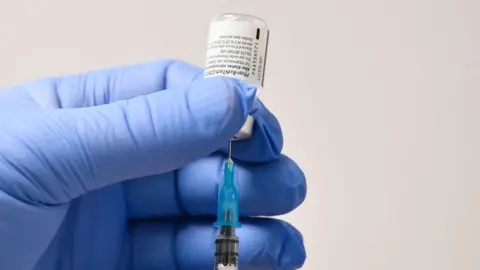
New Zealand has reported what it believes to be the first death linked to the Pfizer Covid vaccine. A vaccine safety board said a woman's death was "probably" due to myocarditis or inflammation of the heart muscle, a rare side effect of the jab. It also noted there were other medical issues which could have "influenced the outcome following vaccination". An official cause of death has not been determined and New Zealand officials say they "remain confident" about using the jab.

 Getty Images
2. UK travel changes come in
Arrivals from Canada and Denmark no longer need to isolate as the UK's latest Covid travel rules come into force. The UK's green list was also expanded to include Finland, Switzerland, the Azores, Liechtenstein and Lithuania from 04:00 BST on Monday. Travellers from newly red-listed Thailand and Montenegro now need to isolate in government-approved hotels. All arrivals are required to take at least one Covid test, but many countries have banned UK residents from entering.
 Getty Images
3. Sturgeon out of self-isolation
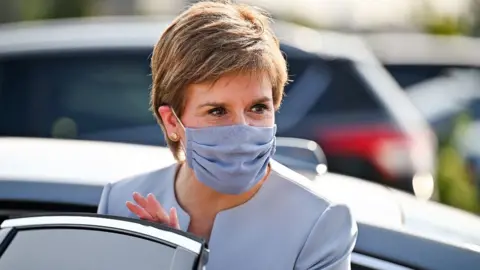
Scotland's First Minister Nicola Sturgeon is out of self-isolation after testing negative for Covid-19. The SNP leader had been self-isolating after being identified as a close contact of someone who had tested positive, and said on Twitter that she was "relieved" that her PCR result had come back negative. It comes after Scotland reported a record number of new Covid cases, with 7,113 positive tests confirmed on Sunday.
 PA Media
4. US Open to start in front of jabbed fans
After being closed to fans last year the US Open will become the first tennis Grand Slam since the pandemic began to be played with full capacity crowds throughout. Although players will be subject to regular Covid testing there will be no player bubbles, meaning they can wander around New York as they wish. But fans at the venue will be required to show proof of at least one vaccination.
 Getty Images
5. Vietnam lockdown adds to coffee concerns
There are concerns over global coffee supplies as Vietnam's biggest city remains in lockdown. The south-east Asian country is a major producer of robusta - the bitter tasting bean used in instant coffee and some espresso blends. The exporting hub of Ho Chi Minh City has been kept under tough travel restrictions after a surge in cases of the Delta variant of Covid, adding to the difficulties for suppliers. Bean prices have already risen by about 50% this year and exporters are facing a shortage of shipping containers and soaring freight costs. Read more here.
 Getty Images
And don't forget...
You can find more information, advice and guides on our coronavirus page.
With the UK travel lists changing here is a reminder of what the rules are for green, amber and red countries.


What questions do you have about coronavirus?
In some cases, your question will be published, displaying your name, age and location as you provide it, unless you state otherwise. Your contact details will never be published. Please ensure you have read our terms & conditions and privacy policy.
Use this form to ask your question:
If you are reading this page and can't see the form you will need to visit the mobile version of the BBC website to submit your question or send them via email to YourQuestions@bbc.co.uk. Please include your name, age and location with any question you send in.
